Description
Smart Control For Stormwater
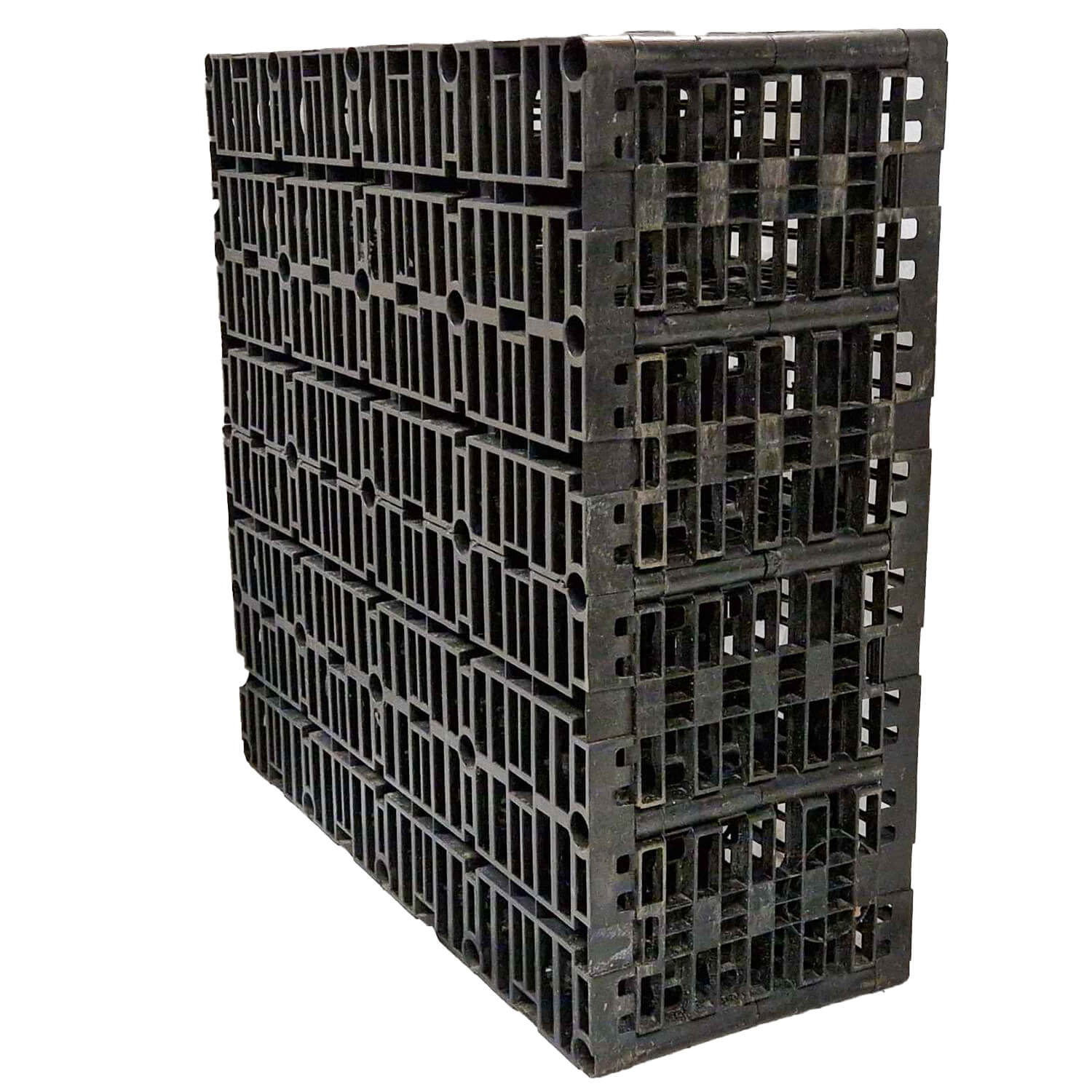
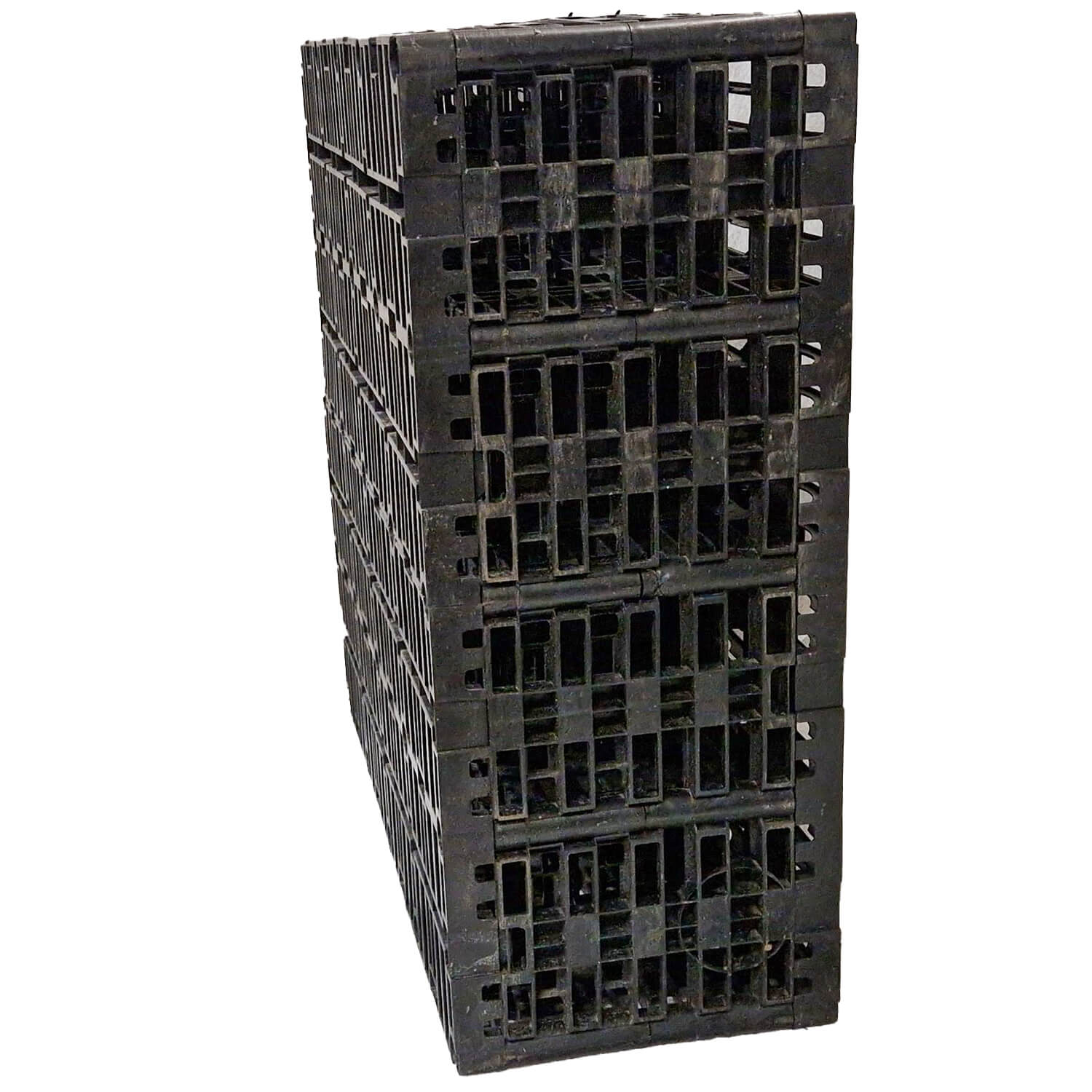
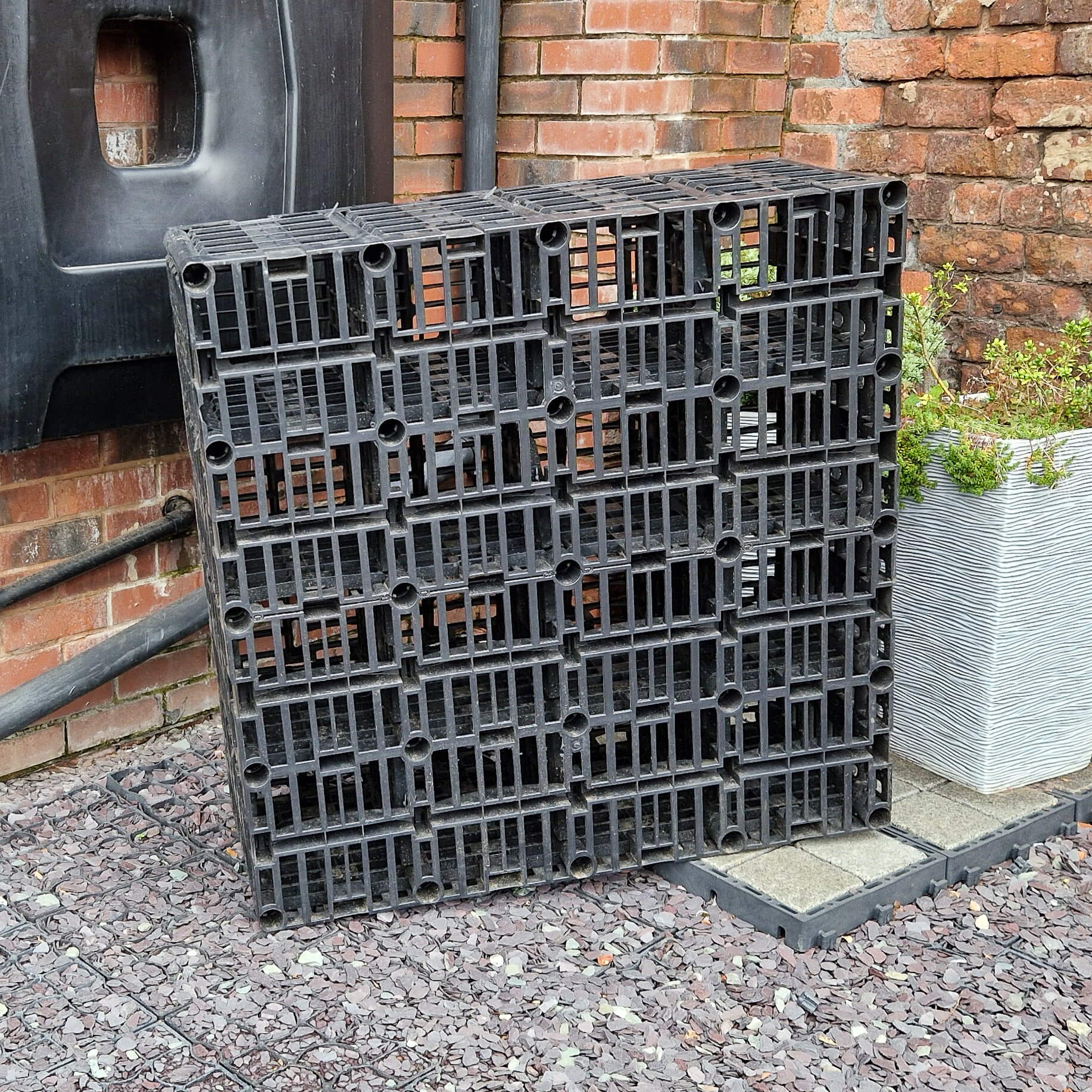
The RainCatcher RainBloc 400L is a durable storm soakaway crate engineered to manage surface water by promoting controlled infiltration into the ground. Ideal for both domestic and commercial drainage applications, it provides a reliable and sustainable method of reducing surface runoff and mitigating flood risk.
Key Features and Benefits
-
Effectively stores and disperses excess rainwater into the subsoil, helping to prevent localised flooding
-
Supports sustainable drainage strategies (SuDS) by reducing peak flow to drainage networks
-
Manufactured in the UK using recycled polyethylene and compliant with ISO 9001 quality standards
-
Modular and stackable design allows easy handling, transport, and installation
-
Suitable for infiltration, retention, and attenuation systems when used with an appropriate geotextile or impermeable membrane
-
Structural integrity supports various loading classes when installed correctly, including pedestrian and light vehicular traffic
Technical Specifications
-
Capacity: 400 litres
-
Material: Recycled polyethylene
-
Dimensions: 1000 mm (L) x 1000 mm (W) x 400 mm (H)
-
Weight: Approx. 15 kg
-
Colour: Black
-
Installation: Requires surrounding membrane for desired application (geotextile for soakaway, impermeable for attenuation)
Frequently Asked Questions (FAQs)
Q: What type of membrane should be used with this crate?
A: Use a geotextile membrane for infiltration/soakaway systems, or an impermeable membrane for attenuation and water storage setups.
Q: Can the RainBloc crate support vehicle loads?
A: Yes, when installed according to manufacturer guidelines and with proper backfill, the crate can support light vehicle loads. Heavier applications may require additional structural considerations.
Q: Is this soakaway crate suitable for domestic gardens?
A: Yes, it is ideal for domestic use and small-scale commercial projects where space-efficient, modular water management is required.
Q: How many crates are needed for a standard soakaway system?
A: The number depends on the roof area, soil permeability, and local rainfall. A drainage professional or installer should calculate the appropriate volume.
Q: Is maintenance required?
A: Minimal maintenance is required once installed correctly, though inspection chambers can be incorporated for easier access and servicing if needed.